Abstract Geometric Tiger Head Icon: A Versatile Design Element for Creative Projects
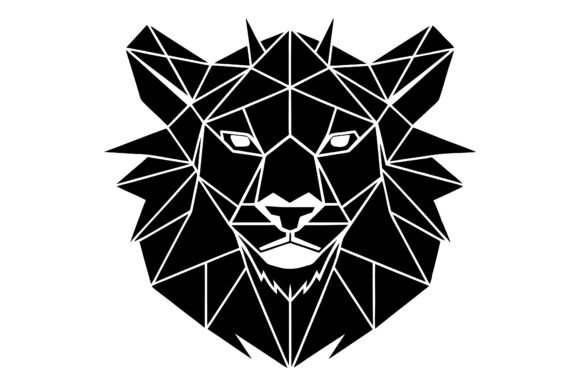
The Abstract Geometric Tiger Head Icon is a stylized visual representation of a tiger’s head, simplified into clean lines, shapes, and patterns. Unlike realistic tiger illustrations, this design focuses on geometric abstraction—using triangles, circles, polygons, and other basic forms to convey the essence of the animal in a modern, artistic way. It serves as a powerful symbol that can represent strength, agility, or wild energy while fitting seamlessly into a variety of design projects.
What Is an Abstract Geometric Tiger Head Icon?
An abstract geometric tiger head icon merges two popular design styles: abstract art and geometry. This type of icon is often used in branding, digital media, merchandise like t-shirts and mugs, and even educational materials where symbolism plays a role. The key features include:
- Simplified Forms: Eliminates unnecessary details, focusing on shape and form to create a bold, eye-catching image.
- Color Flexibility: Designed with vector layers, allowing full customization to match brand palettes or project themes.
- Scalability: As a vector-based file, it retains clarity at any size, making it ideal for both small business cards and large billboards.
This icon is more than just a decorative element—it’s a tool that can enhance visual storytelling and add symbolic meaning to your designs.
Where Does the Tiger Head Icon Fit Into a Broader Process?
Incorporating the Abstract Geometric Tiger Head Icon into your workflow can happen at various stages depending on your goals. For example:
- Pre-Project Planning: Use the icon during brainstorming sessions to inspire themes related to power, nature, or movement. Its abstract nature makes it adaptable across industries and audiences.
- During Design Execution: Integrate the icon into your creative assets using graphic design tools such as Adobe Illustrator or Photoshop. Its layered structure allows for easy manipulation, whether you’re adjusting colors, scaling elements, or adding effects.
- Post-Production Use: Once finalized, the icon can be repurposed for different applications, from print materials like flyers and posters to digital content such as social media banners or app icons.
Because it's available in multiple formats including EPS, SVG, DXF, and PNG, it aligns well with both digital and physical production processes. Whether you're designing for personal use or commercial purposes, the flexibility of this icon ensures it remains a valuable asset throughout your creative journey.
Use Cases for the Abstract Geometric Tiger Head Icon
Designers and creators across various fields find practical value in the Abstract Geometric Tiger Head Icon. Here are some common scenarios where it shines:
- Merchandise Design: Apply the icon to t-shirts, mugs, or tote bags. Its bold style works especially well on dark-colored garments due to its high contrast and clear outlines.
- Brand Identity Elements: Use it as part of a logo, crest, or mascot to symbolize ferocity, leadership, or innovation. Pair it with typography for a cohesive brand mark.
- Illustration & Artwork: Incorporate the icon into larger compositions or background graphics. Its modular nature allows it to blend with other geometric or abstract elements without clashing.
- Business Cards & Flyers: The compact yet expressive form of the icon makes it perfect for quick recognition in printed marketing materials.
- Product Packaging: Add a touch of sophistication and symbolism to product boxes, labels, or tags with the right color variations and placement.
- Web & App UI: Utilize the icon in navigation menus, buttons, or headers to represent sections like "About Us" or "Contact."
How to Use the Icon Before, During, and After Your Project
Before Starting a Project: Consider what message you want to convey. If your goal is to represent authority or speed, the tiger head can act as a central motif. Research how similar icons have been used in your industry and decide if the geometric style will resonate with your target audience.
During the Design Phase: Import the icon into your design software and experiment with layering, color schemes, and positioning. Since it's fully scalable, you can adjust it without worrying about quality loss. You might also combine it with other abstract elements or text to create a unified theme.
After Finalizing the Design: Export the icon in the required format (such as EPS for print or SVG for web). Ensure compatibility by checking that all platforms or printers support the chosen format. Store the source files in an organized folder system so they can be easily retrieved for future edits or reuse.
Integration with Other Tools and Resources
The Abstract Geometric Tiger Head Icon is designed to work harmoniously with a range of tools and methods:
- Adobe Illustrator: Open the AI file directly for full editing control. Modify paths, apply gradients, or export in different resolutions.
- Graphic Design Platforms: Compatible with Canva, Figma, and other vector-friendly tools. This makes it accessible for both professional designers and hobbyists.
- Print Services: Because it's vector-based, it prints cleanly on any material—whether fabric, paper, or metal. Confirm with your printer about preferred file types before sending for production.
- Content Creation Workflows: Use the icon alongside photography, infographics, or data visualization projects to reinforce visual themes or break up text-heavy layouts.
For those managing multiple design elements, the icon’s structured format supports consistency across assets. This helps maintain a strong visual identity in campaigns or product lines.
Practical Implementation Tips
To get the most out of the Abstract Geometric Tiger Head Icon, consider these best practices:
- Test Color Variations: Try different palettes to see which version of the icon works best for your context. Darker tones may suit minimalist designs, while bright colors could stand out on light backgrounds.
- Respect Negative Space: The effectiveness of geometric designs often lies in their balance between filled and empty areas. Don’t overcrowd the layout when placing the icon.
- Use Layers Wisely: When working with the AI/EPS file, separate the icon into layers for individual elements (e.g., eyes, stripes, facial contours) to allow precise customization.
- Optimize for Different Uses: Save versions tailored for specific outputs—like a high-resolution PNG for digital use and an EPS file for print.
- Maintain File Organization: Keep copies of the original source files along with edited versions. Label them clearly based on use case (e.g., “Tiger_Icon_Tshirt_Dark,” “Tiger_Logo_Branding”)
- Preparation: Define the purpose of the icon early in your planning stage. Will it serve as a focal point or a supporting element? Knowing this guides how much emphasis you place on it.
- Compatibility: Verify that the file format you choose works with your intended platform. For instance, SVG is ideal for responsive websites, while EPS is better suited for print.
- Usability: Test the icon on different mediums—print vs. digital, small vs. large scale—to ensure it remains legible and impactful.
- Organization: Store the icon and related files in a centralized location, preferably within a naming convention that reflects its use (e.g., “Abstract_Tiger_Head_MugDesign”)
- Efficiency: Take advantage of the icon’s vector format to quickly adapt it for new projects without needing to recreate it from scratch.
- Consistency: Use the same icon style and color variations across all your design outputs to build a recognizable visual language.
- Quality Control: Always review the final output for clarity and alignment. Even subtle misplacements or incorrect sizing can affect the overall design aesthetic.
- Long-Term Use: Archive the original files for potential revisions or rebranding efforts down the line. This saves time and maintains design integrity over years of use.
- Easily Customizable: With full access to source files in AI and EPS formats, you can modify the design to meet specific requirements without losing quality.
- High-Quality Output: Vector-based construction guarantees crisp edges and no pixelation, regardless of the medium or size.
- Ready for Production: The icon is prepped for direct use in print or digital environments, reducing the need for additional processing or retouching.
- Adaptable Style: Its abstract nature allows it to blend with both traditional and modern design aesthetics, making it versatile for diverse audiences.
- Multiple Formats: Access to EPS, SVG, DXF, and PNG means you can pick the right file for each task, whether you're slicing for web or preparing for laser cutting.
These tips help streamline the integration process and ensure the icon performs well in every application.
Example 1: Branding for a Fitness Studio
Phase: Concept Development → Logo Design → Merchandise → Marketing Materials
Implementation: During the initial concept phase, the designer selects the tiger as a symbol of strength and agility. The Abstract Geometric Tiger Head Icon is imported into Adobe Illustrator and adjusted to fit the brand's color scheme. Later, it’s applied to gym apparel, promotional flyers, and website buttons. The scalability of the icon ensures consistent visuals from T-shirt screen printing to online banners.
Example 2: Educational Resource Design
Phase: Content Planning → Visual Assets → Publishing
Implementation: An educator creating a wildlife-themed course uses the icon as a chapter header for a unit on big cats. They download the SVG version and embed it into a digital textbook template. The same icon is reused in quiz materials and student handouts, maintaining a cohesive look throughout the learning experience.
Factors to Consider When Using the Icon
When integrating the Abstract Geometric Tiger Head Icon into your work, keep these factors in mind to maximize usability and efficiency:
By considering these aspects, you’ll avoid common pitfalls and ensure the icon enhances your work rather than complicates it.
Why Choose This Icon for Your Next Project?
There are several reasons why the Abstract Geometric Tiger Head Icon stands out as a reliable choice for your design needs:
Whether you're a small business owner looking to launch a new line of branded products or a freelancer working on a client’s packaging design, this icon offers the flexibility and professionalism needed to elevate your work.
Conclusion
The Abstract Geometric Tiger Head Icon is a dynamic, high-quality design element that fits naturally into many workflows. From early ideation to final production, it provides a clean, customizable, and scalable solution for visual communication. Its ability to interact smoothly with design tools and platforms ensures that you can focus on creativity rather than technical limitations.
If you're searching for unique, high-quality designs for t-shirts, mugs, book covers, crests, business cards, silhouettes, vectors, typography, illustration, or flyers, you’ve come to the right place. We regularly upload fresh, creative designs, offering a variety of options to suit your needs. Feel free to select the format that works best for you—EPS, SVG, DXF, or PNG.
Thanks for visiting my shop. I hope this insight helps you integrate the Abstract Geometric Tiger Head Icon into your next project with confidence and clarity. Happy designing!