Japanese Paper Panels Digital Paper: A Must-Have for Creative Projects
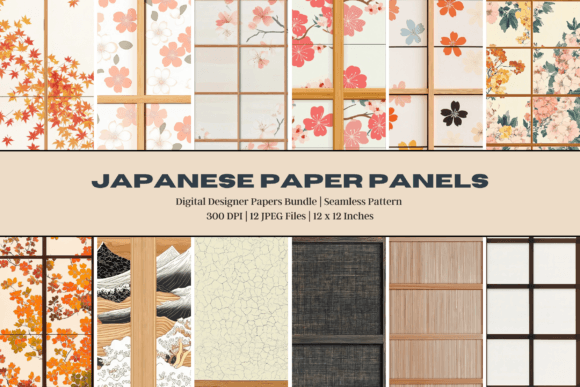
Japanese Paper Panels Digital Paper has become a go-to resource for artists, designers, and crafters who want to bring authentic Asian aesthetics into their work. These digital paper patterns are inspired by traditional Japanese design elements such as origami, washi, floral motifs, and intricate calligraphy. Available in high-resolution JPG format at 300 DPI, they come in a convenient 12 x 12 inches size — perfect for both digital and print applications.
What Is Japanese Paper Panels Digital Paper?
Japanese Paper Panels Digital Paper is a collection of 12 seamless patterns designed to replicate the look and feel of real Japanese-style papers. Whether you're creating scrapbooking layouts, designing blog headers, or working on wedding invitations, these panels offer a visually rich background that adds depth and cultural flair to your projects. The patterns are ideal for use in Adobe Photoshop, Illustrator, Canva, and other design tools commonly used by professionals and hobbyists alike.
The beauty of this digital product lies in its versatility. You can use it for:
- Digital Scrapbooking Layouts
- Websites and Blog Designs
- Logo Creation and Branding
- Invitations and Birth Announcements
- Hardcover Books and Journals
- Jewelry Box Wrapping and Cards
- Place Cards and Planner Stickers
- Handmade Stationery and Business Cards
- Decoupage Projects and Decorated Furniture
- Wedding, Birthday, and Party Crafts
- DIY Project Bases
Common Mistakes When Choosing and Using Japanese Paper Panels
While these digital papers are powerful tools, many users make avoidable mistakes when selecting or applying them. Here are some common pitfalls and how to steer clear of them:
Mistake 1: Ignoring Resolution Requirements
One of the most overlooked aspects when using digital paper is ensuring compatibility with the project's resolution needs. Although the Japanese Paper Panels Digital Paper is already provided in 300 DPI, which is standard for print, some creators mistakenly scale the images beyond their original size without considering the impact on quality.
Better Approach: Always check the dimensions required for your final output. If you’re printing business cards or journal covers, keep the file size consistent with the panel’s native 12 x 12 inch layout to maintain sharpness and clarity.
Mistake 2: Overlooking Color Mode Settings
Digital papers often appear vibrant on screen but can lose their richness when printed if the color mode isn’t set correctly. Many beginners don't adjust from RGB (used for screens) to CMYK (used for print), leading to unexpected results.
Example: A designer created a stunning birthday card layout using Japanese Paper Panels Digital Paper only to find out after printing that the red tones were duller than expected.
Solution: Before exporting or sending your project to print, convert the image to CMYK mode in your design software. This ensures colors translate accurately from screen to paper.
Mistake 3: Not Testing Pattern Repetition
Seamless patterns are meant to tile without visible edges, but not all design programs handle tiling the same way. Some users apply the pattern without checking how it repeats across the page, resulting in an uneven or distracting look.
Tip: Use a small section of the pattern in your design software to test the tile before covering large areas. Make sure there are no visible seams or distortions.
How to Maximize Usability and Efficiency
Once you’ve downloaded your ZIP file containing the 12 Japanese Paper Panels Digital Paper designs, proper organization and application techniques can significantly enhance your workflow.
Organizing Your Files
After unzipping the package, it’s wise to rename each JPG file based on its visual theme or intended use. For instance, “JP_Panel_Floral_01” could be reserved for floral-based invitations, while “JP_Panel_Washi_02” might suit handmade stationery.
This simple step saves time when you need to quickly locate the right pattern for a specific project, especially if you're juggling multiple creative tasks simultaneously.
Layer Blending for Depth
A common oversight is using the digital papers as flat backgrounds without blending them with other elements. To create more dynamic visuals, experiment with layer blending modes like Multiply, Overlay, or Soft Light in Photoshop or similar tools.
Example: A blogger used one of the Japanese Paper Panels as a background for her website header and added a subtle overlay of white ink splatters to blend text and images seamlessly. The result was a professional yet artistic layout that stood out.
Before You Buy: Key Considerations
To ensure you're making the best choice for your creative goals, consider the following factors before purchasing Japanese Paper Panels Digital Paper:
- Project Type: Are you planning to print physical items or just display them online? High-res JPG files are excellent for print, but for web use, you may also benefit from having transparent PNG versions if available.
- Licensing Terms: Confirm whether the product allows commercial use. Some digital paper sets are strictly for personal projects unless specified otherwise.
- Software Compatibility: Ensure the patterns work well with your preferred design platform. Most modern software supports JPG files, but always double-check for any known issues.
- Pattern Style Variety: With 12 unique designs, this set offers a good range, but assess whether the styles align with your branding or aesthetic preferences.
Real-World Applications and Creative Ideas
Here are a few practical ways to integrate Japanese Paper Panels Digital Paper into your next project:
1. Wedding Invitations
Use a soft pastel pattern as a base for your wedding suite. Add kanji calligraphy or cherry blossom illustrations to complement the design. The high resolution ensures every detail looks crisp when printed.
2. DIY Planner Stickers
Print the patterns onto sticker paper and cut them into shapes like stars, hearts, or frames. These can add a decorative touch to bullet journals or planners without overwhelming the layout.
3. Blog Header Design
Choose a pattern that reflects your blog’s theme — perhaps a minimalist washi-style for a lifestyle blog or something more ornate for a culture-focused site. Pair it with clean typography for a balanced look.
4. Packaging for Small Businesses
Entrepreneurs selling handmade products can elevate their packaging by printing the panels on kraft paper or gift boxes. It gives a premium, handcrafted appearance that resonates with customers seeking authenticity.
Why Choose Japanese Paper Panels Over Generic Alternatives?
Generic digital papers often lack the cultural nuance and visual complexity found in Japanese-inspired designs. Japanese Paper Panels Digital Paper brings a level of sophistication and uniqueness that stands out in crowded markets. It’s particularly favored by bloggers and marketers looking to differentiate their brand with elegant, eye-catching visuals.
Moreover, the 12 x 12 inch size is industry-standard for many crafting and design platforms, making integration effortless. Unlike some low-quality downloads, these panels are professionally crafted, ensuring they won’t pixelate or stretch oddly during use.
Getting Started Without Overwhelm
If you're new to digital paper design, start small. Try using one panel in a single project before experimenting with overlays, textures, and blending techniques. Many creators begin with free trials or starter kits before investing in full sets — but with Japanese Paper Panels, the quality justifies the cost even for first-time buyers.
Pro Tip: Combine two different patterns subtly for a layered effect. For example, place a delicate floral pattern beneath a bolder geometric one to add interest without cluttering the design.
Final Thoughts on Making Smart Creative Choices
Japanese Paper Panels Digital Paper is more than just a background — it's a foundational element in storytelling through design. Whether you're creating a heartfelt birth announcement or a polished blog post, choosing the right paper can enhance the emotional tone and professionalism of your work.
By avoiding common errors like incorrect scaling, poor color settings, and hasty application, you’ll unlock the full potential of these panels. Take time to understand your project requirements, test the patterns in your workflow, and explore the creative possibilities they offer.
Ready to elevate your next design? Download your set of Japanese Paper Panels Digital Paper today and discover how these timeless patterns can transform your work into something truly special.